There is no special markup that guarantees an AI mention
Google's guidance for AI search features builds on established search fundamentals: useful content, technical accessibility, and eligibility to appear in Search. An ecommerce store does not need a fictional AI schema type or a page filled with repeated questions to become useful to those systems.
This guide focuses on Google AI features. Other assistants have different systems and reporting limitations. Visibility in one product does not establish visibility in another, and no agency can guarantee that a particular answer will mention your brand.
Make the product understandable without a sales pitch
A buyer comparing products needs dimensions, materials, compatibility, price, availability, and a clear explanation of the intended use. Put important information in accessible page content rather than relying entirely on an image or a third-party widget.
Write distinctions that a customer can use. For a bedding product, explain dimensions and care instructions. For equipment, explain supported uses and requirements. Avoid presenting marketing adjectives as if they were independently verified facts.
- Answer the practical question the product solves.
- Keep specifications consistent across variants.
- Show limitations that could affect a purchase.
Keep page data and merchant data aligned
Google supports product structured data and Merchant Center feeds as ways to understand product information. These should agree with what the shopper sees. Stale stock status or a different price in a feed creates a trust and eligibility problem, not an optimization opportunity.
Validate structured data and review merchant diagnostics where available. Do not add ratings, offers, or review counts that are not supported by real page content. Technical eligibility is a prerequisite, not a promise that a special search treatment will appear.
Is your store making buying harder than it should?
Let’s look at your websitePublish buying guidance that adds something new
Useful guides compare real decision criteria, explain tradeoffs, and link to the relevant products. A size guide with specific measurements is more valuable than an article saying that quality matters. Original photography and firsthand product knowledge can help a reader make a decision.
Avoid generating hundreds of near-identical answers to questions nobody asks. Start with customer support, on-site search, and sales objections. If the answer depends on the product, keep it close to that product and give it a clear update owner.
- Explain who a product is suitable for and who it is not.
- Show how alternatives differ without unsupported superlatives.
- Link guides into the catalog rather than leaving them isolated.
Keep technical access intentional
Ensure important pages can be crawled and indexed, and that internal links lead to them. If you restrict snippets or automated access, understand which systems each setting affects. A crawler policy decision should reflect your business requirements, not a blanket belief that every bot is beneficial.
Google reports traffic from AI features within overall Web search reporting rather than offering a complete standalone AI attribution view. Track useful landing pages and business outcomes, and be explicit about what you cannot attribute. Referral data from other assistants may also be incomplete.
Apply the work to your actual catalog
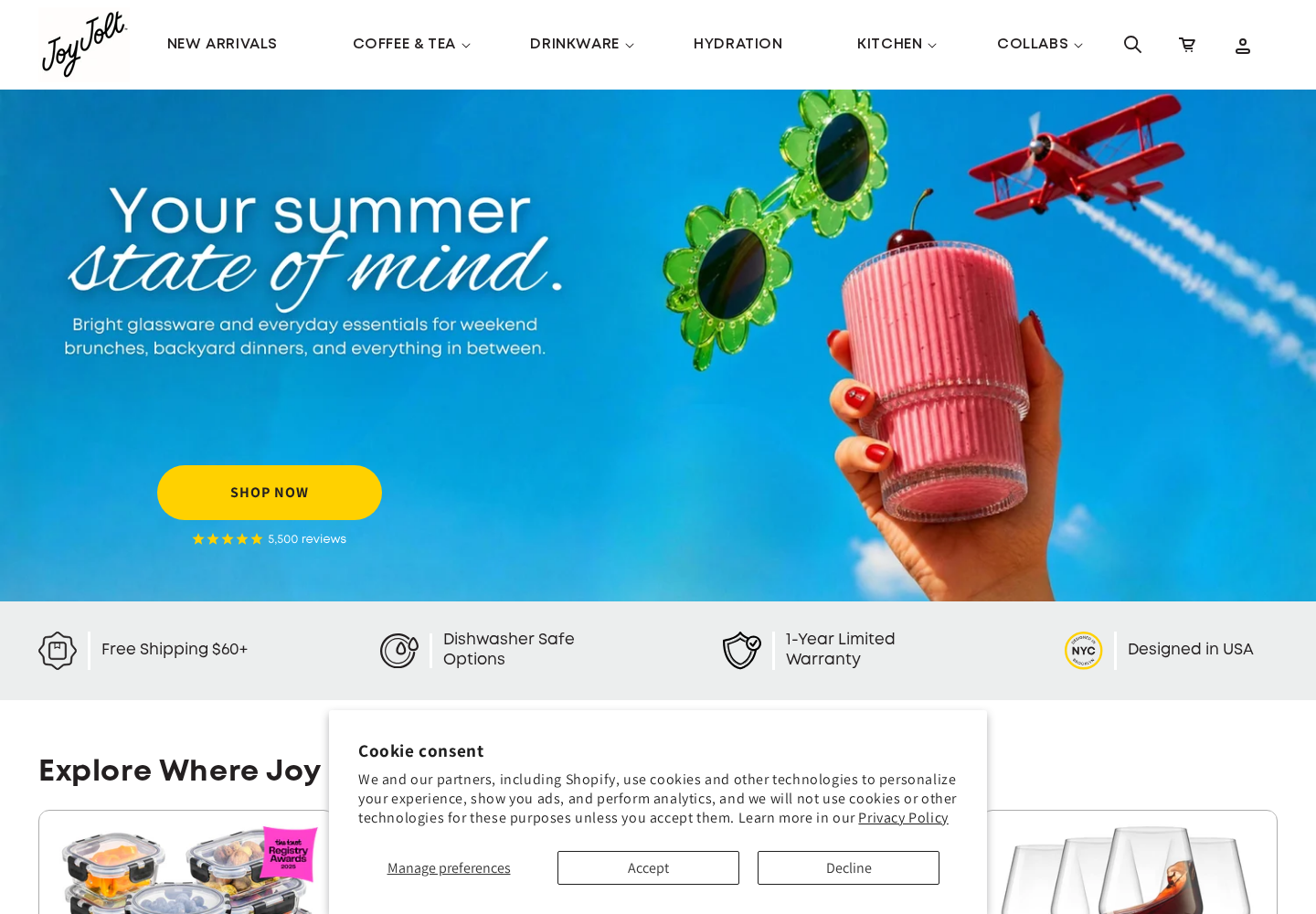
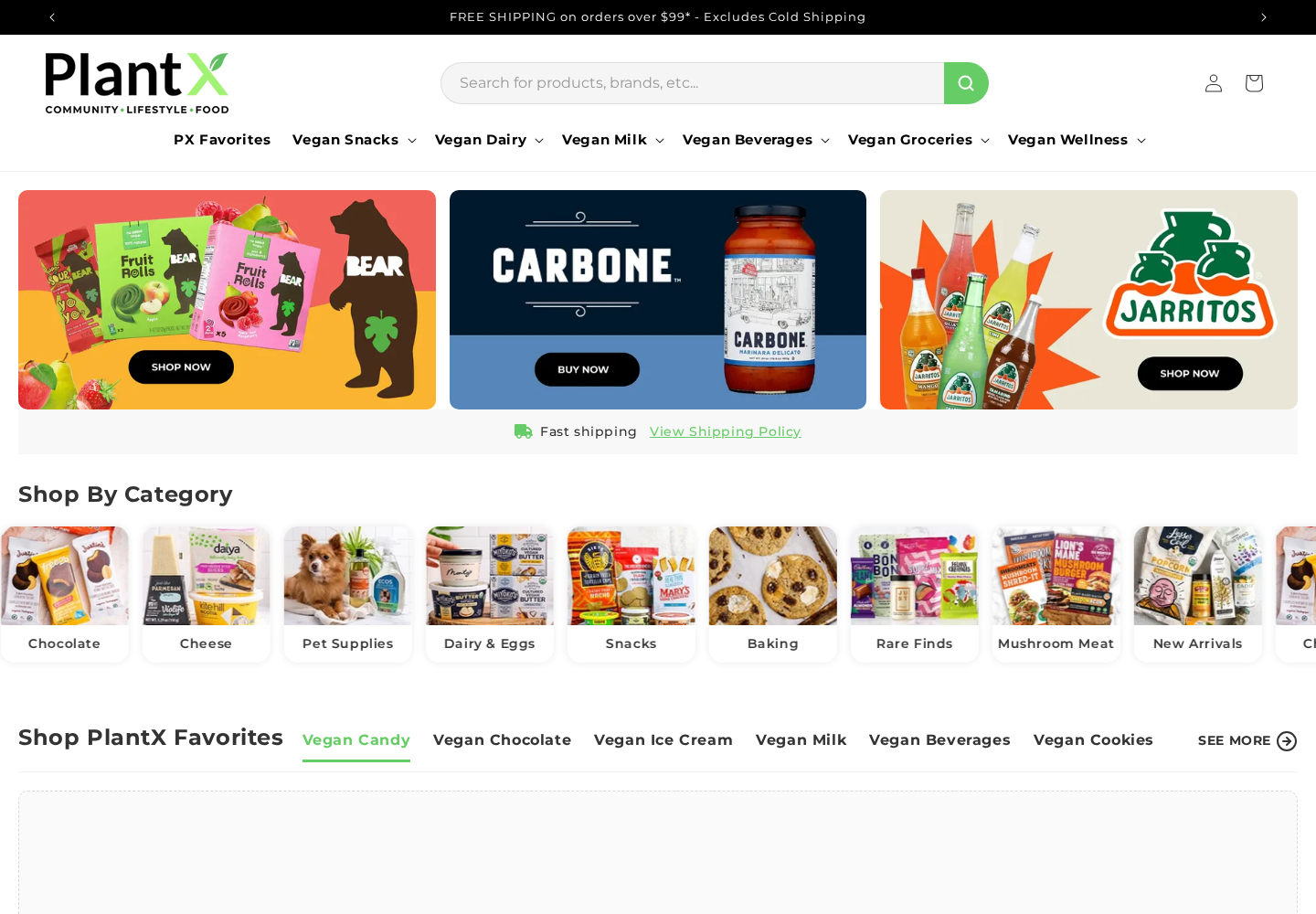
PlantX, JoyJolt, and Lavari Jewelers are examples in Falcon's ecommerce portfolio. They represent different product contexts and are not presented here as verified AI-search success stories. The first step for your store is to inspect a sample of product pages, their data, and the questions customers need answered.
A practical engagement should deliver a prioritized list of page improvements and a measurement plan. It should not promise guaranteed citations or claim that schema alone will create demand.