The short answer: headless is an architecture choice
Headless Shopify separates the storefront customers see from the commerce services that manage products, carts, and orders. A traditional Shopify theme keeps those responsibilities more closely connected. Neither approach is automatically better for sales or search visibility.
Consider headless when a specific customer experience or integration cannot be delivered sensibly within your existing theme. Do not switch simply because the term sounds more advanced. A well-maintained theme may be the faster, less expensive answer to a store with poor photography, unnecessary apps, or confusing navigation.
When a theme is still the right choice
If your team needs to publish collections, launch promotions, and update landing pages without a developer, a theme-based workflow has real value. Established apps may also depend on theme components that do not transfer directly to a custom storefront.
Before proposing a new architecture, audit the current setup. Measure the pages shoppers use, remove redundant scripts, and examine how much of the problem is content or merchandising. A rebuild should have a business requirement that survives that audit.
- Your required shopping journeys fit the existing theme.
- The marketing team depends on visual editing and theme-compatible apps.
- A smaller set of performance fixes addresses the main issue.
When headless deserves serious consideration
Headless becomes worth evaluating when you need a distinctive shopping journey, multiple frontends sharing commerce data, or integrations that are awkward to maintain in the current architecture. Shopify's Hydrogen tooling is one option, not a requirement for every custom build.
Write the requirement as a user journey. For example, a configurable technical product may need compatibility checks before it can enter a cart. That requirement is more useful than a generic goal to make the store modern. Prototype the difficult journey before committing the whole catalog.
- Document the experience the existing theme cannot support.
- Check every critical app for headless compatibility.
- Assign ownership for deployments, monitoring, and ongoing fixes.
Is your store making buying harder than it should?
Let’s look at your websiteCompare the full operating cost
Theme work, custom frontend development, content editing, hosting, integration maintenance, and testing all belong in the comparison. A custom frontend gives you more control, but that control creates more responsibility. Costs depend on scope; a generic price range cannot replace a requirements review.
Ask how your team will launch a sale, preview a page, change navigation, and recover from a failed deployment. Include those workflows in the proposal. The cheapest launch can become the most expensive operating model if every small edit requires engineering time.
Protect SEO and measurement during the move
Search engines need accessible product content, crawlable links, consistent canonical URLs, and accurate structured data. Rendering architecture alone does not guarantee those outcomes. Test representative product, collection, and editorial pages before launch.
If URLs change, create a page-by-page redirect map. Preserve the meaning of each destination rather than redirecting every old product to the homepage. Check cart and purchase events across the storefront and checkout, including consent-dependent tracking.
- Compare rendered product content with the current site.
- Validate canonicals, sitemaps, and redirects.
- Test a complete purchase and the associated analytics events.
Use portfolio proof without guessing the technology
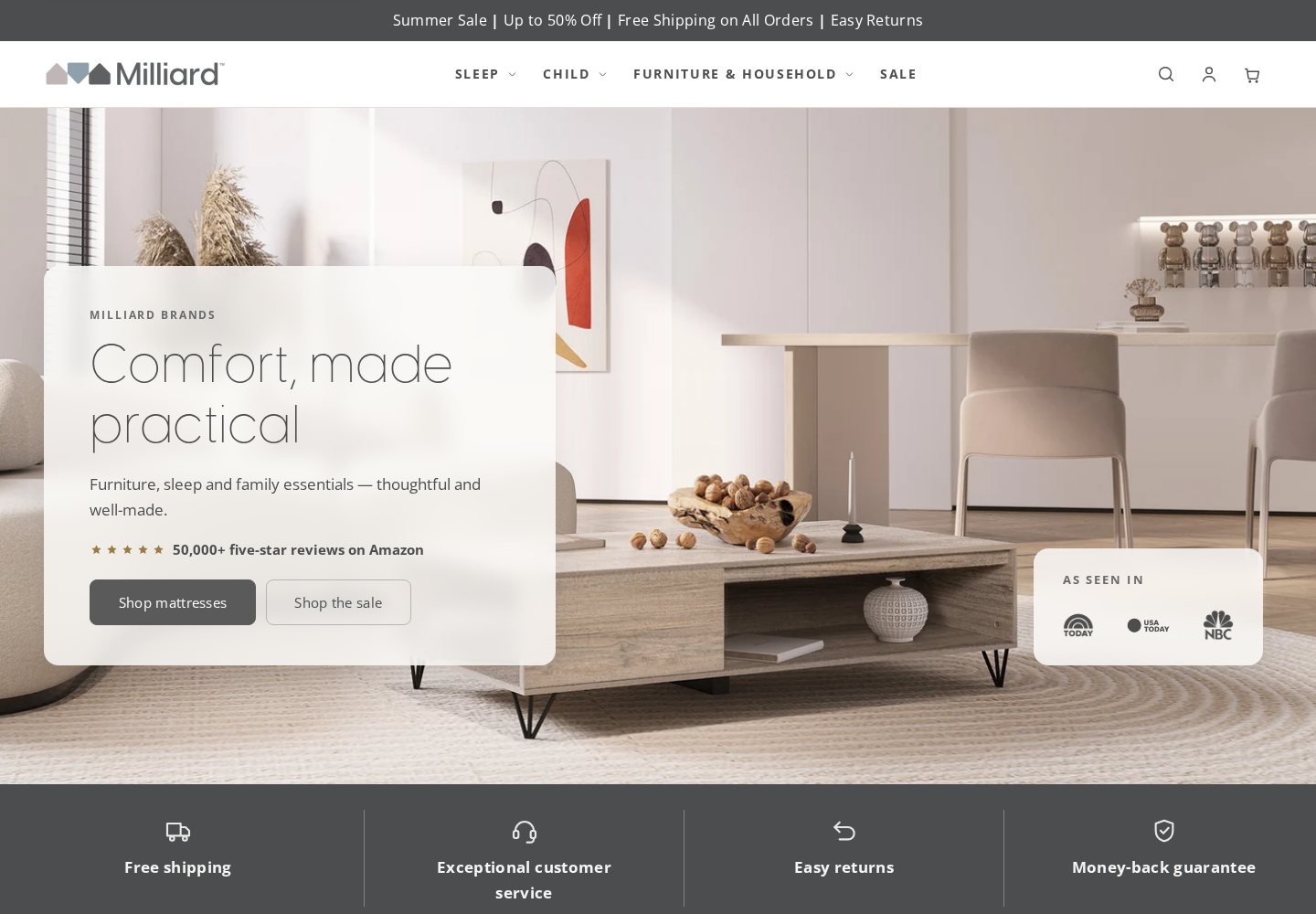
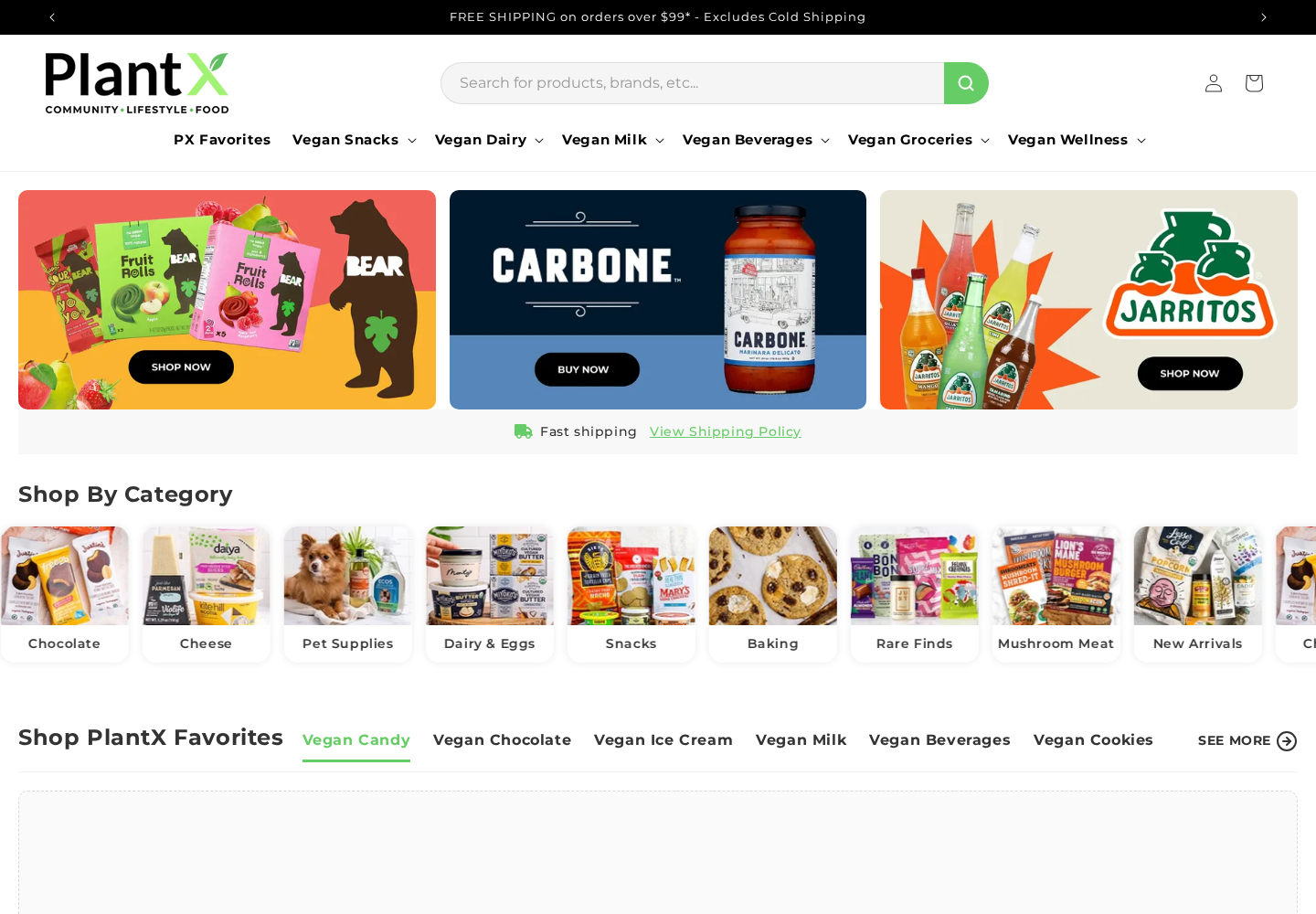
JoyJolt, Milliard Bedding, and Alla Moda are ecommerce projects in Falcon's portfolio. They demonstrate different retail contexts, not evidence that each uses headless architecture. When comparing agencies, ask for a relevant build, the actual requirements, and an explanation of the tradeoffs.
For your store, bring the current platform, the integrations you must keep, and the shopping experience you cannot deliver today. That is enough to begin a useful architecture conversation.